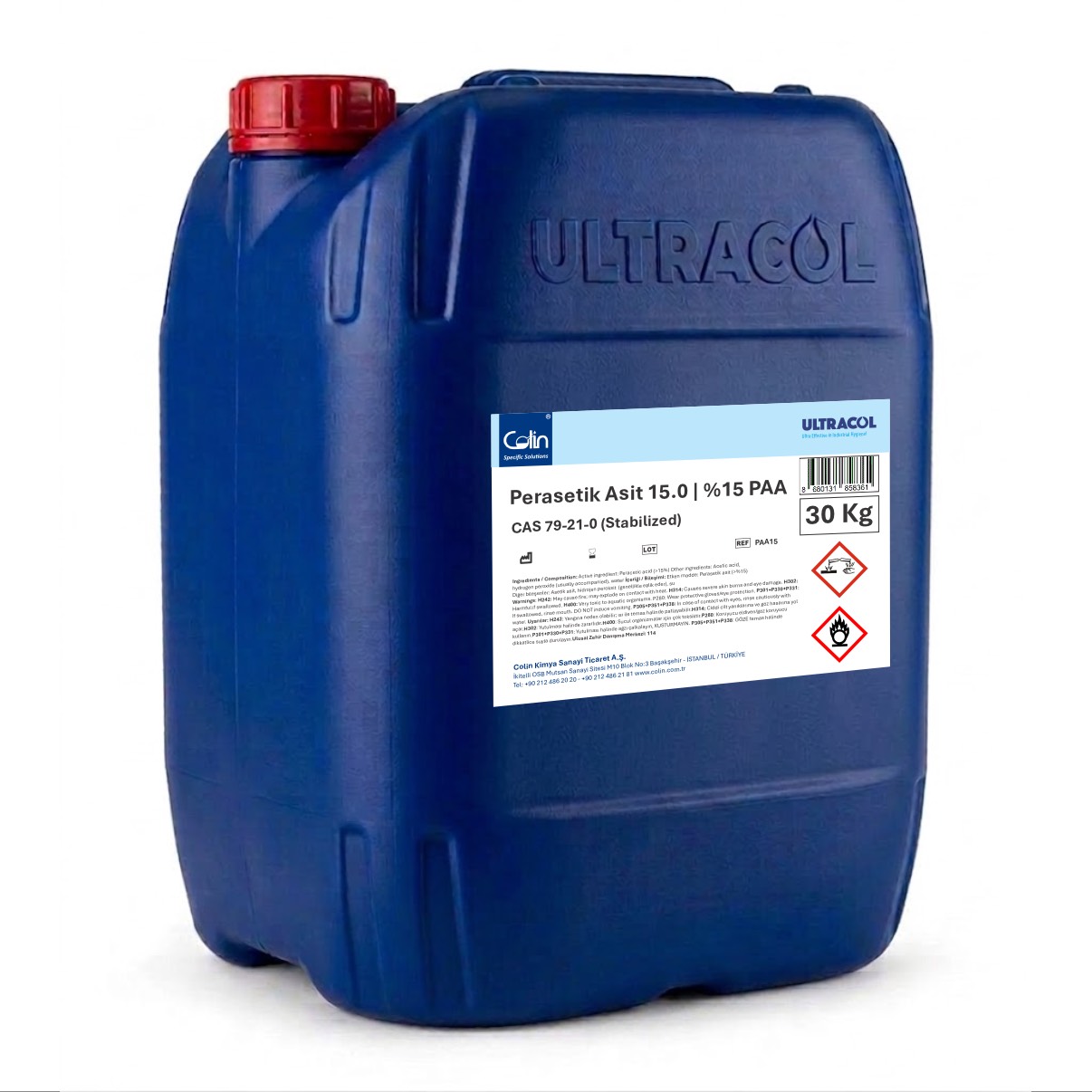
There is a paradox we frequently encounter in industrial hygiene and disinfection processes: Visible danger or hidden risk?
In many facilities today, 50% Hydrogen Peroxide (H2O2) is treated almost like household baking soda and circulates without strict oversight, while 15% Peracetic Acid (PAA) is heavily scrutinized by Occupational Health and Safety (OHS) experts due to the warnings in its MSDS. But do the numbers and documents tell the whole story? In a facility equipped with mid-to-high-level digital and automated systems, which one is more rational to manage?
1. Unregulated Confidence: The "Silent" Risk of Hydrogen Peroxide
The ubiquity of hydrogen peroxide in the industry unfortunately brings along a sense of operational blindness. The fact that it can circulate "without documentation" does not mean it is safe; it merely reflects regulatory gaps or deep-seated habits.
- Hidden Danger: Since peroxide is odorless and colorless, it is difficult to detect during a leak. Personnel may not realize exposure until a severe skin burn (whitening) occurs.
- Stockpile Risk: A 50% peroxide tank is a potential oxygen bomb. Any contamination can trigger an unstoppable decomposition reaction.
2. PAA: An "Honest" Chemical
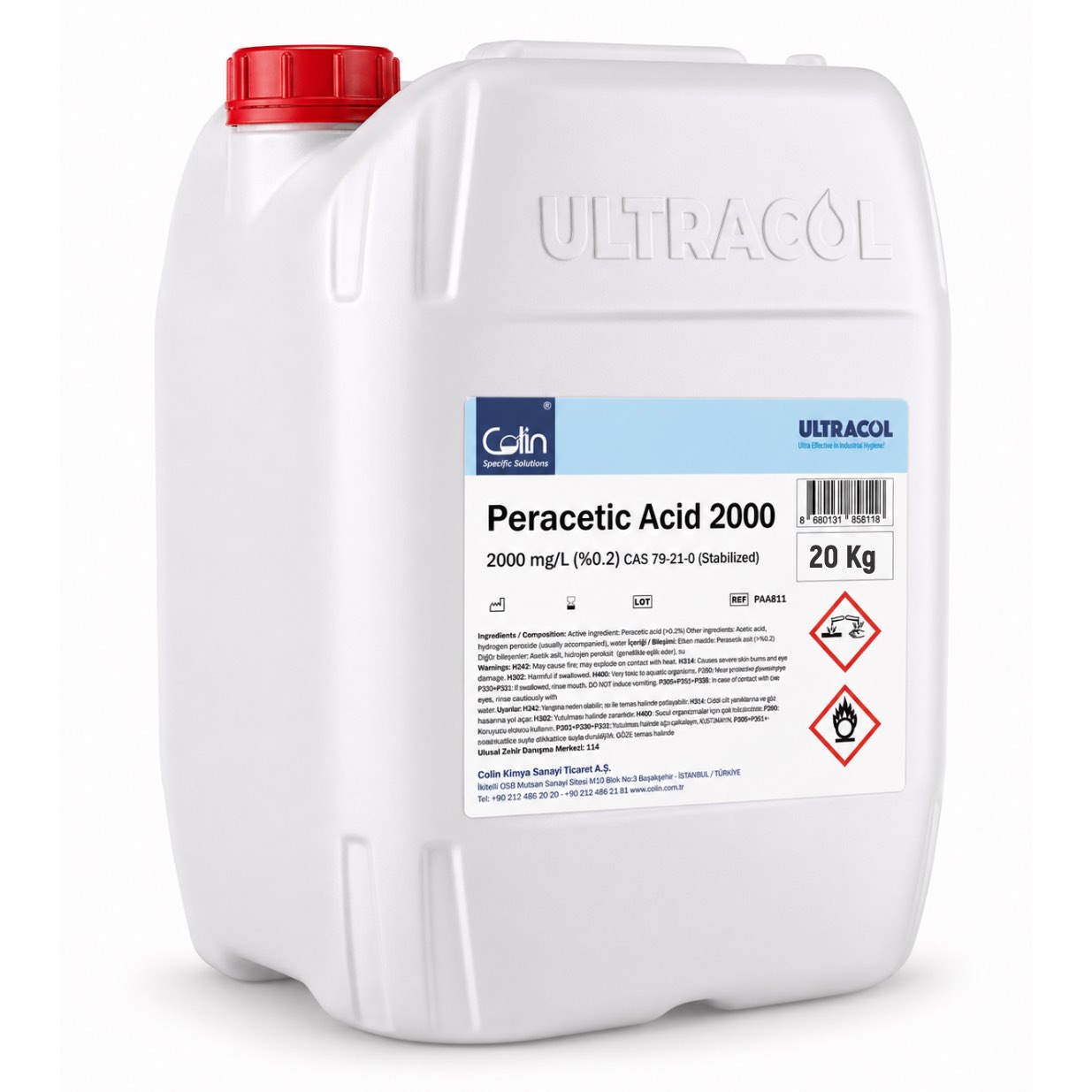
PAA is a chemical that does not hide its character. A 15% PAA solution is a dynamic equilibrium of peracetic acid, hydrogen peroxide, and acetic acid.
- Pungent Warning: Its sharp vinegar-like odor alerts personnel even at levels far below exposure thresholds. While this often puts OHS experts on "high alert," it is actually a natural safety barrier.
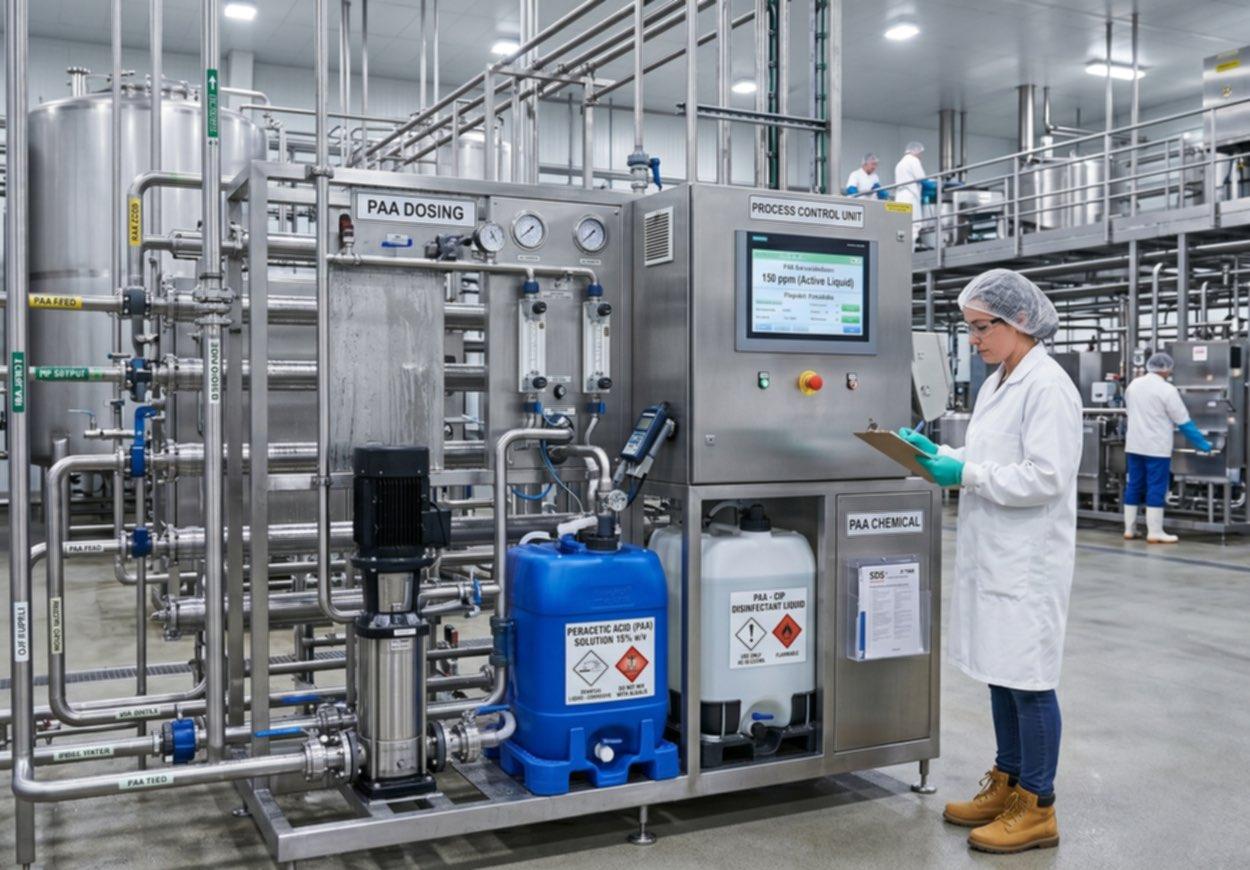
- Dual Risk: Yes, it is both corrosive and oxidizing. However, in modern facilities with stainless steel and PTFE-fitted automated machinery, this risk can be 100% controlled via closed-loop systems (CIP).
3. Comparison in Terms of Technology and Efficiency
| Criterion | 50% Hydrogen Peroxide | 15% Peracetic Acid (PAA) |
|---|---|---|
| Activity Temperature | 60°C - 80°C (High Energy) | 5°C - 20°C (Low Energy) |
| Contact Time | Long (Slows production) | Very Short (Fast cycle) |
| Residue Risk | Rinsing mandatory | May not require rinsing |
4. Through the OHS Lens: Why PAA is More Logical
For an OHS expert, the "safest" chemical is not the one with an unknown hazard, but the one whose hazards are defined and precautions are implemented.
Using 15% PAA means achieving faster results with less chemical volume at lower temperatures. This reduces the total chemical load of the facility. The "fear" generated by PAA keeps the discipline for using Personal Protective Equipment (PPE) alive, whereas the "familiarity" of peroxide increases the risk of accidental negligence.
Conclusion:
In a modern facility utilizing high-tech automated dosing systems, using 50% Hydrogen Peroxide is a habit of the past; using 15% PAA is the engineering of the future. Remember, the real danger in disinfection is not the chemical itself, but underestimating its risks. PAA warns you; peroxide waits for you.
Are the chemicals considered "safe" in your facility truly safe, or have you just grown too accustomed to them?